Travel with Purpose
At LivTours, we believe travel should have a positive impact, not just on the traveler, but on the people, places, and communities that welcome visitors.
We are committed to sustainable tourism that supports local economies, respects cultural heritage, and reduces our environmental impact wherever possible. Our goal is to help preserve the destinations we visit for future generations. Sustainability is not a secondary initiative for us. It is part of how we design experiences, build partnerships, support our team, and make decisions every day.
By consistently prioritizing small groups, local expertise, and meaningful partnerships within the communities we visit, we aim to create travel experiences that benefit both our guests and our destinations.
Our Sustainability Collective
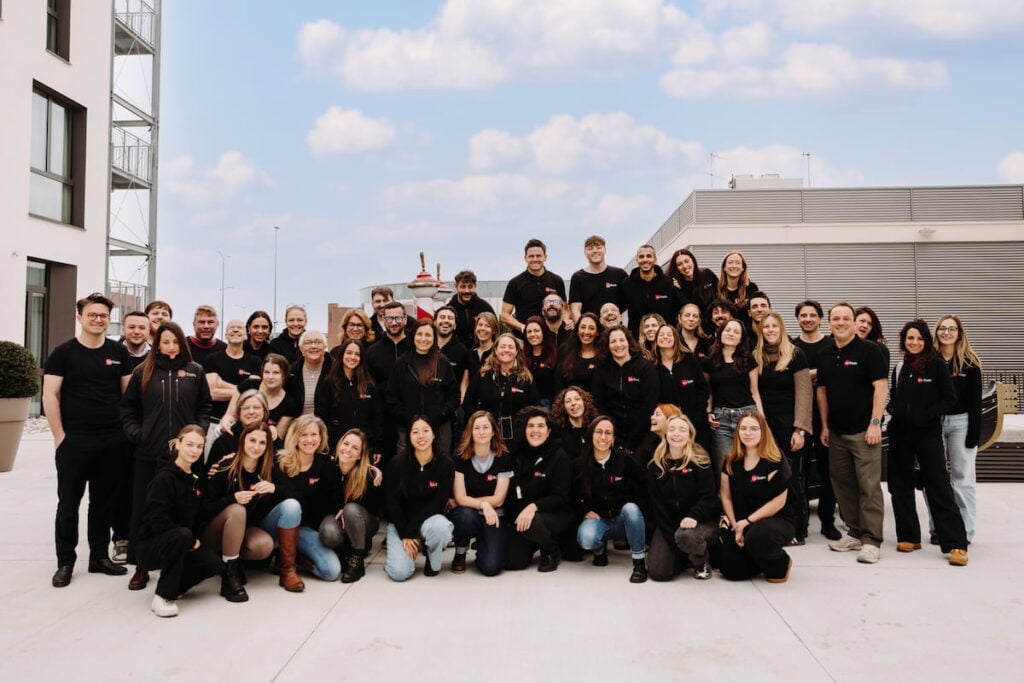
To help turn our commitment into action, LivTours has created a volunteer-led Sustainability Collective made up of team members from across the company.
The Collective helps integrate sustainability into our day-to-day operations, identifying opportunities for improvement, supporting staff engagement, and helping move sustainability initiatives forward across the company.
Among these initiatives has been the partnering of LivTours with ecollective on a company-wide project to measure the carbon footprint of every experience in our portfolio, helping establish a stronger foundation for our sustainability efforts.
By bringing together team members from different departments, the Collective helps ensure sustainability remains an active part of how we make decisions and plan for the future.
Measuring & Reducing Our Environmental Impact
Understanding our impact is an important step towards reducing it.
Through our partnership with ecollective, we have measured the carbon footprint of every experience in our portfolio. This work provides valuable data that helps us better understand our environmental impact and identify opportunities for improvement.
Using this data, we have set a goal of reducing the average carbon footprint of our experiences by 7% this year. This would lower the footprint per guest from 5.3 kg to 5.0 kg CO2e on average—roughly equivalent to driving a medium gasoline car about 25 km (15 miles). While there is no single solution, these measurements help guide decisions across our products and operations and allow us to track our progress over time.
Beyond our tours, we encourage environmentally responsible practices throughout the company, including a flexible approach to remote and in-office work, public transportation and other low-impact commuting options, waste reduction, recycling initiatives, sustainable office supplies, and responsible energy use.
We also invest in sustainability education for both staff and guides through ongoing training and annual workshops, helping ensure that environmental awareness remains part of our day-to-day decision making.
Supporting Local Communities
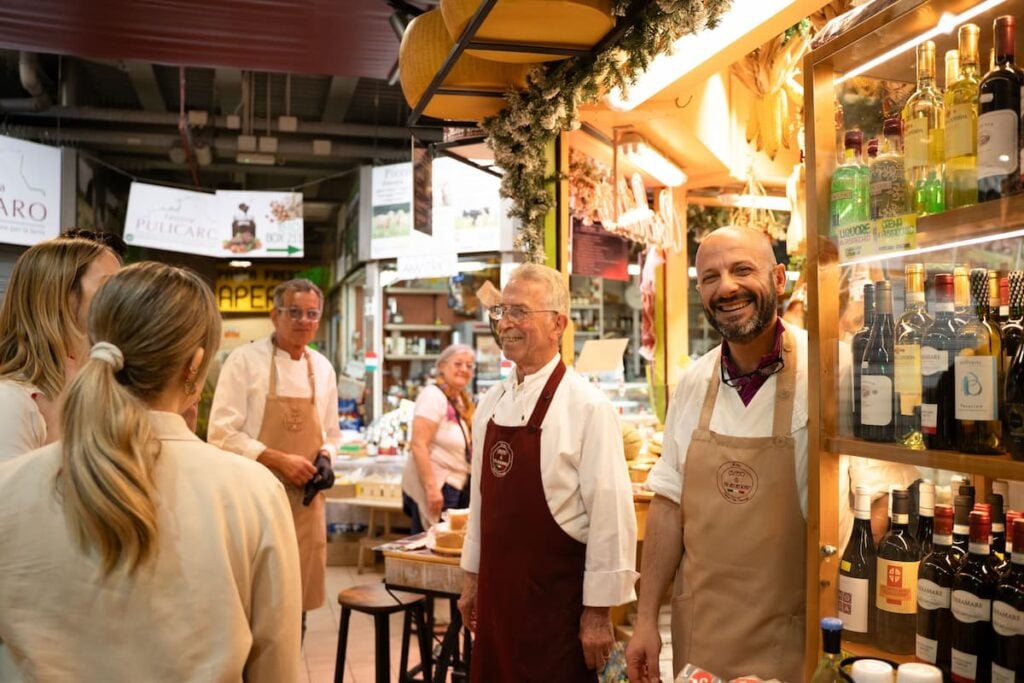
LivTours prioritizes working with local restaurants, artisans, family-owned businesses, and independent suppliers whenever possible. By supporting local enterprises and keeping spending within the destinations we visit, we help contribute to local economies and encourage travelers to engage with authentic local culture, traditions, and craftsmanship.
This can take many forms, from visiting local market vendors during our cooking experiences to meeting the people behind the products and traditions that make each destination unique. In Florence, guests can meet a local leather maker, Alicia, while in Pompeii, some of our experiences include a visit to a family-owned winery and hospitality business. These experiences give travelers a chance to see the people, stories, and skills behind what they encounter on their travels.
Local Guides and Sustainable Tourism
Sustainable tourism starts with local people.
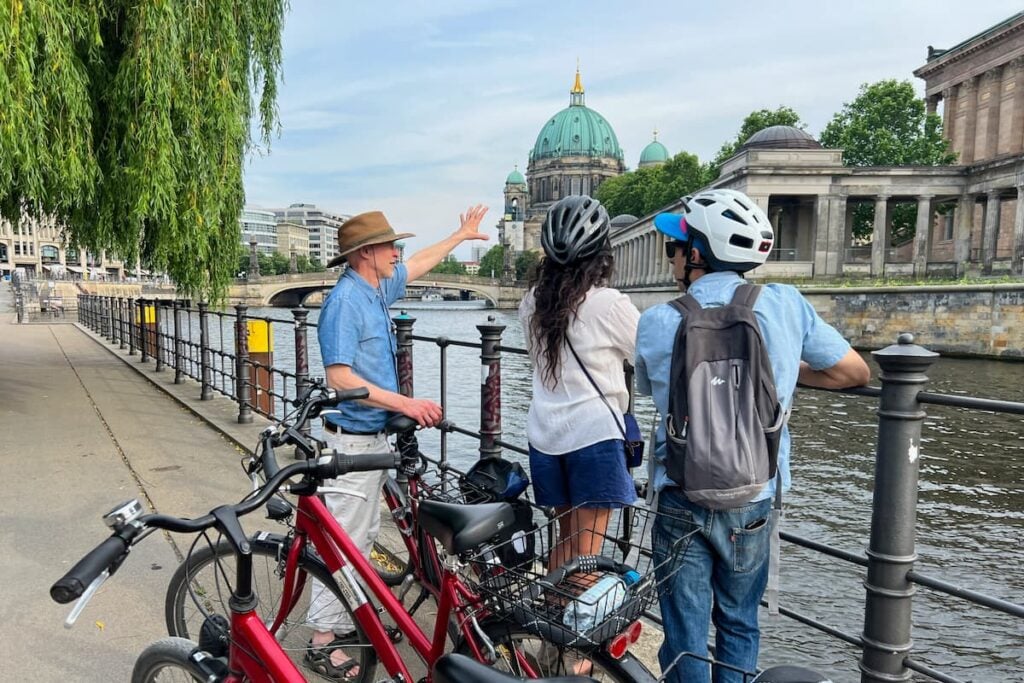
LivTours works exclusively with expert local guides who live in and care deeply about the destinations they represent. By hiring locally, we support local employment while ensuring travelers experience each destination through the people who know it best.
Our guides also play an important role in creating more sustainable and inclusive travel experiences. As part of our ongoing guide training, we are developing practical guidance on accessibility and on helping travelers make more sustainable choices in the destinations they visit. This training gives our guides the tools to better understand different traveler needs, share their local knowledge, and encourage respectful engagement with the communities they visit.
Small Groups, Lower Impact
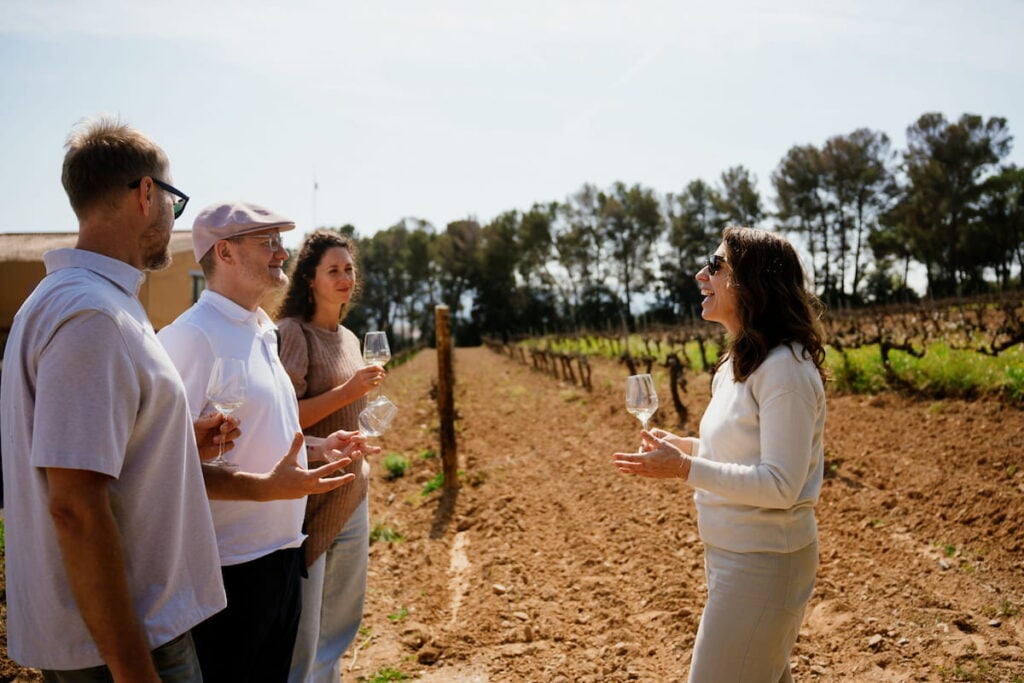
Our semi-private tours are limited to a maximum of six guests because we believe smaller groups create better experiences for both travelers and destinations.
Small groups move through historic sites and neighborhoods with less disruption, reduce congestion at popular attractions, and lessen the strain that tourism can place on local communities. They also encourage more meaningful interactions between travelers, guides, and local residents.
By maintaining our small-group model, we can provide a more personal experience while helping reduce some of the challenges associated with mass tourism.
Making Travel More Accessible
We believe travel should be accessible to as many people as possible.
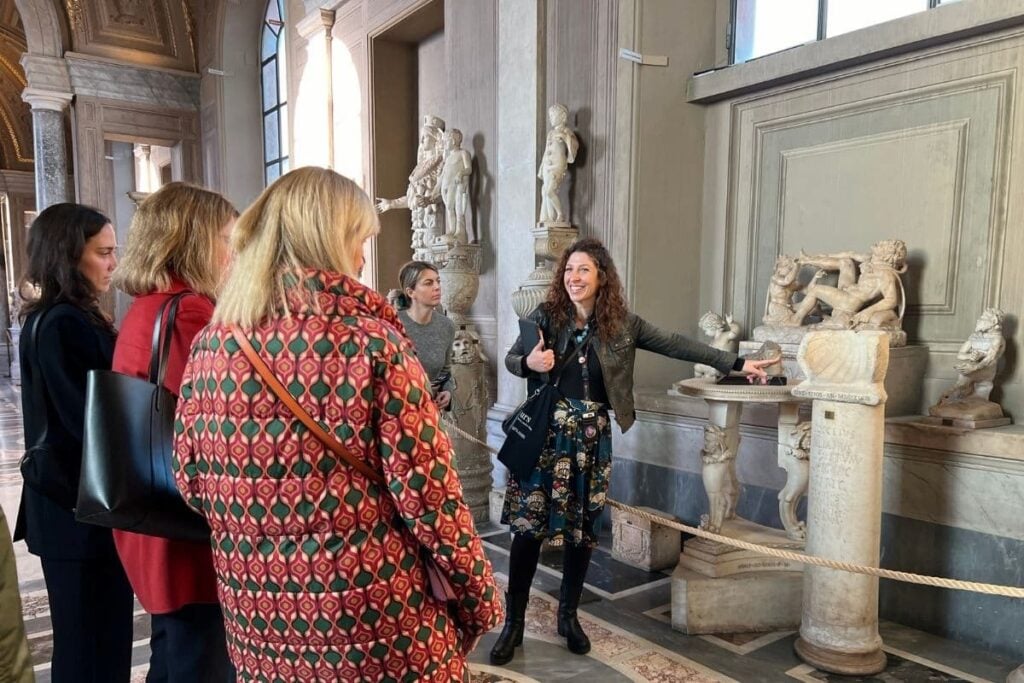
While many historic sites present accessibility challenges due to their age and preservation requirements, we continually work to improve access wherever possible. Our team regularly reviews experiences, identifies barriers, and looks for ways to make our tours more inclusive for travelers with different mobility needs.
Guests can also use our Accessibility Add-On when booking to share any accessibility requirements with us in advance. This allows our team to better understand individual needs and explore possible accommodations, alternative meeting points, or itinerary adjustments where available.
Our commitment to accessibility extends beyond physical access. We strive to create experiences where every guest feels welcome, included and cared for. We actively listen to feedback and use what we learn to improve the experiences we provide.
Giving Back and Preserving Heritage
Protecting destinations means supporting both the communities that live there and the cultural heritage that makes them special.
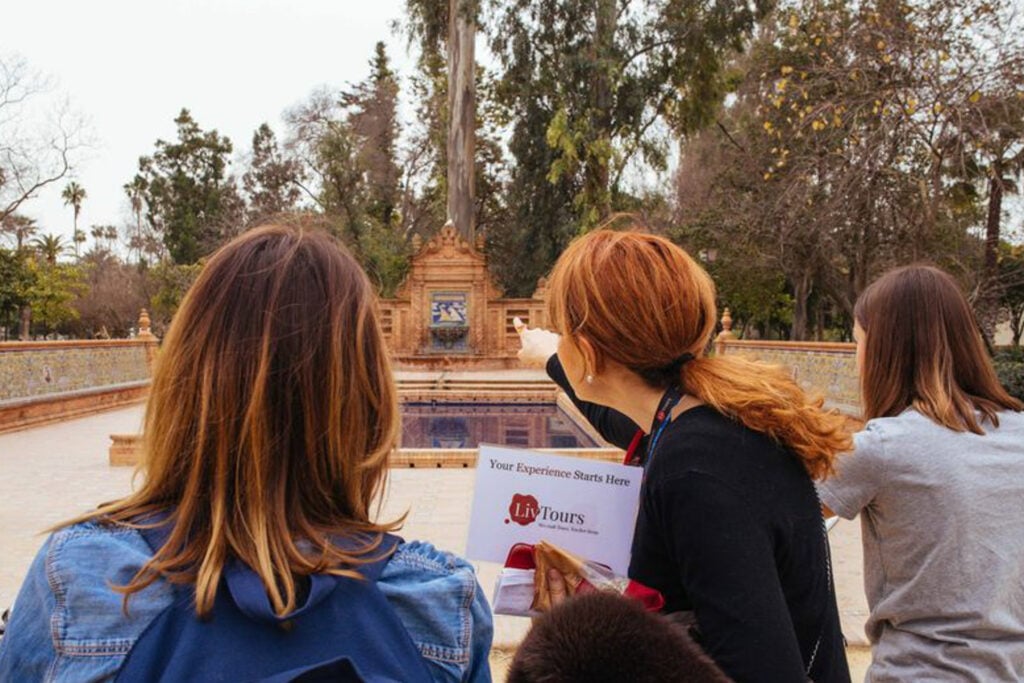
Over the years, LivTours has partnered with local organizations, supported projects that contribute positively to the places we visit, and encouraged our team to get involved in their communities. Through our Volunteer Days, staff members are given dedicated time to volunteer with an organization or initiative of their choice, giving everyone the opportunity to support causes that are local and meaningful to them.
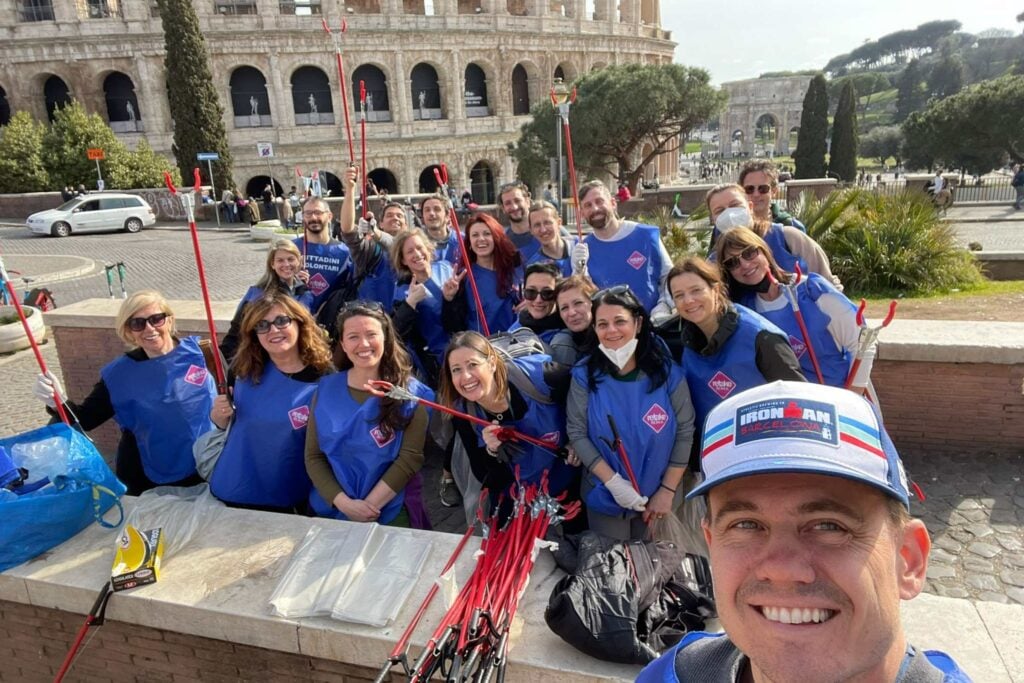
We’ve also contributed to the preservation of Pompeii, collaboration with ReTake Roma to help care for public spaces, and established a partnership with Associazione Andrea Tudisco, an organization that supports children undergoing cancer treatment in Rome. Through this collaboration, we aim to provide experiences that offer children and their families the opportunity to enjoy meaningful moments away from the challenges of treatment.
A Few Easy Ways to Travel More Sustainably
You don’t need to completely change the way you travel to make a positive impact. Often, the smallest choices are the ones that matter most.
Eat Local, Shop Local
One of the easiest ways to support a destination is also one of the most enjoyable: eat the local food, drink the local wine, and shop from local makers.
That family-run restaurant tucked down a side street or the artisan selling handmade products at a local market often contributes far more to the local economy than a large international chain. Plus, you’ll usually come home with a much better story.
Need recommendations? Just ask your guide. They’re always happy to share their favorite local spots.
Travel by Train When You Can
Europe’s rail network makes it easy to travel between cities without flying. In many cases, trains are not only more sustainable, but also more comfortable and convenient, taking you directly from city center to city center. When possible, consider taking the train for shorter journeys between destinations.
Use Local Transportation
Once you’ve arrived, consider using public transportation to get around. Many European cities have excellent metro, tram, bus, and ferry networks that make it easy to explore while reducing congestion and emissions. It’s often one of the simplest ways to experience a destination more like a local.
Consider the Shoulder Season
Traveling outside the busiest months can help reduce pressure on popular destinations while often providing a more relaxed experience. Spring, autumn, and quarter periods throughout the year can mean fewer crowds, more opportunities to connect with local communities, and a different perspective on a destination. We operate year-round, so there’s always a good time to explore.
Remember You’re Visiting Someone’s Home
It’s easy to think of a destination as a collection of attractions, but for local residents it’s everyday life. Being mindful of noise, crowds, and local customs helps preserve the character of the places that make travel so rewarding in the first place. Treat the places you visit with the same care you would want visitors to show in your own hometown.
Take Memories, Leave History
It can be tempting to bring home a tiny piece of a historic site, but the best souvenirs are the stories, photos, and memories you collect along the way.
Whether you’re visiting the Colosseum, Pompeii, the canals of Venice, or a hidden local gem, leaving things exactly where you found them helps preserve these places for future generations.
Go Beyond the Highlights
Of course, you’ll want to see the famous sights, but don’t stop there.
Some of the best travel experiences happen when you slow down and take time to experience a place beyond its main attractions. Wander through a neighborhood, try a local specialty, ask your guide for their favorite recommendations, or visit a lesser-known museum, historic site, or nearby town that many travelers overlook.
The more you engage with local culture and everyday life, the more meaningful your experience becomes, while also helping support the people and traditions that make these destinations unique.